Module 2: Science, Matter, Energy, and Systems
Module 2: Science, Matter, Energy, and Systems
How scientists study the natural world
Evidence, hypotheses, theories, and laws
Matter, energy, and their transformations
Systems thinking and feedbacks in nature
Links to sustainability and environmental change
Learning Objectives
By the end of this module, you should be able to:
Describe how scientific knowledge is developed and evaluated
Distinguish hypotheses, theories, and scientific laws
Explain basic properties of matter and energy
Apply the laws of conservation and thermodynamics
Describe systems, feedback loops, and tipping points
Connect physical and biological principles to environmental issues

Science Starts with Questions
- Observations of nature
- Questions about patterns or changes
- Focus on measurable variables
- Common in environmental systems
Using Experiments to Test Ideas
- Identify key variables
- Compare outcomes under different conditions
- Control group (no change)
- Experimental group (variable altered)
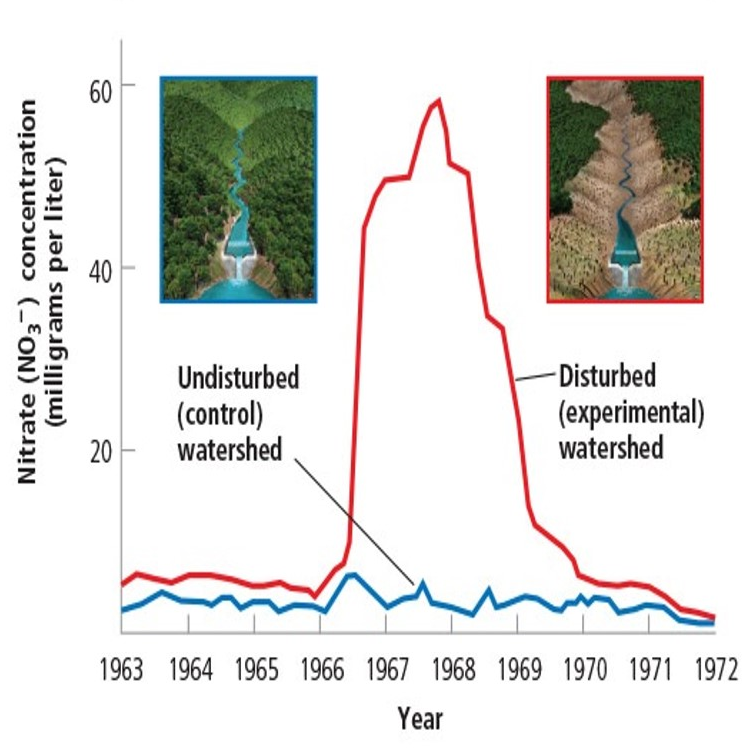
Example: Forests and Water Loss
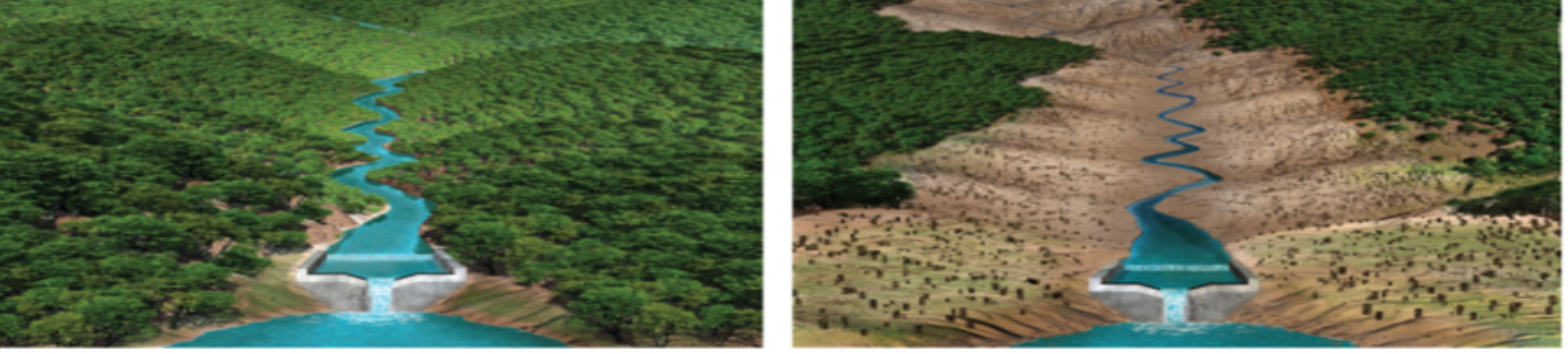
- Forested vs. deforested watersheds
- Water flow and nutrient loss measured
- Dams used to capture runoff
- Controlled field experiment
What the Experiment Showed
- Forests retain water efficiently
- Forest soils retain nutrients
- Deforestation increases runoff (30–40%)
- Increased erosion and nutrient loss
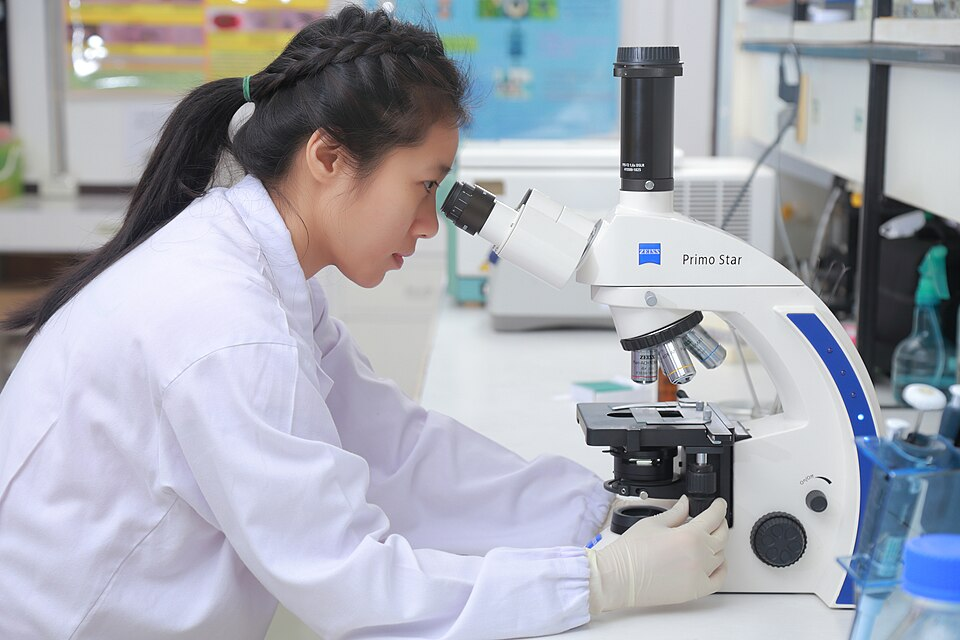
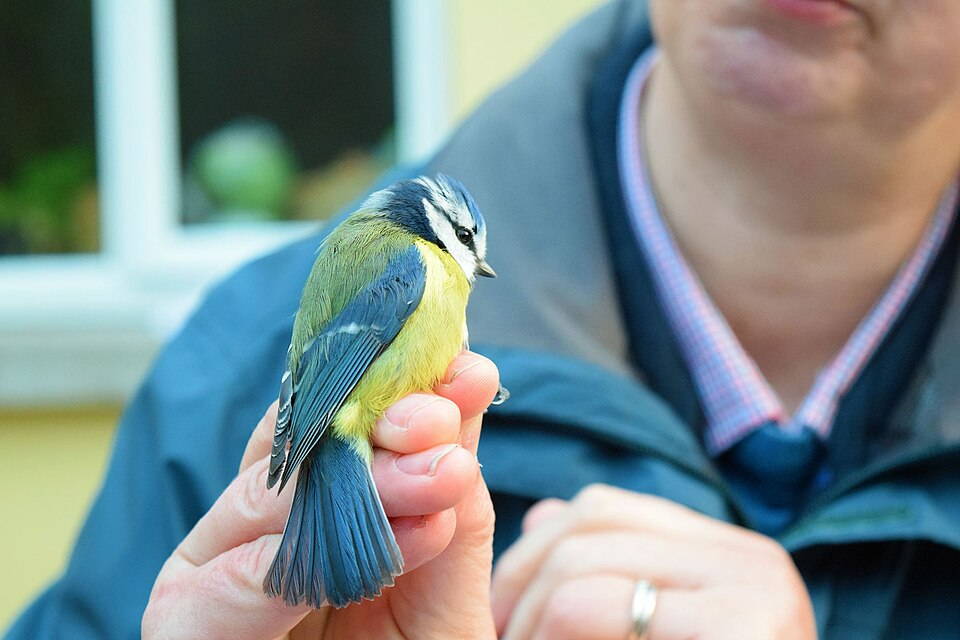
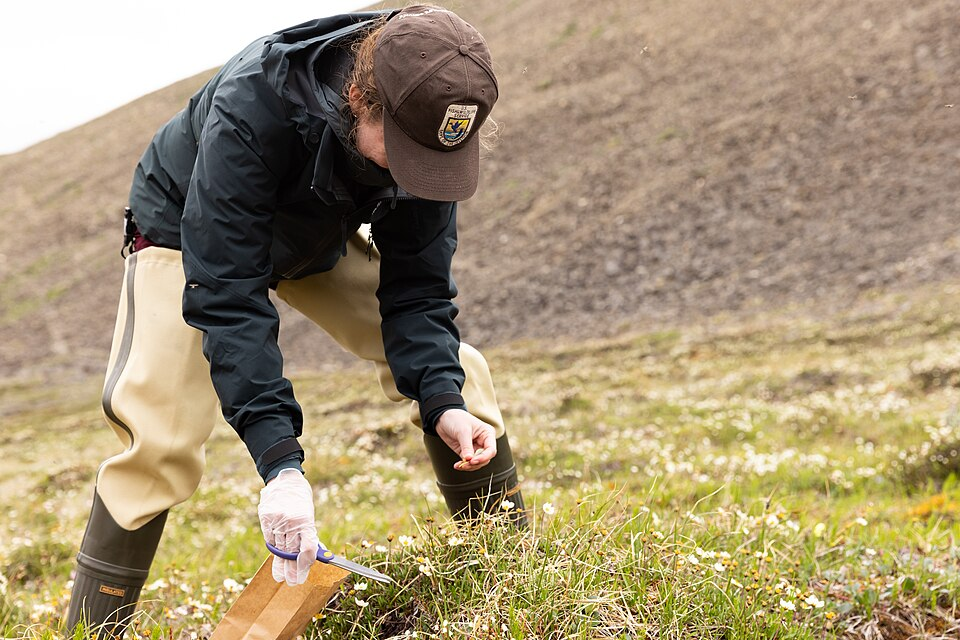
What Do Scientists Do?
- Collect data
- Identify patterns
- Develop explanations
- Test ideas with evidence

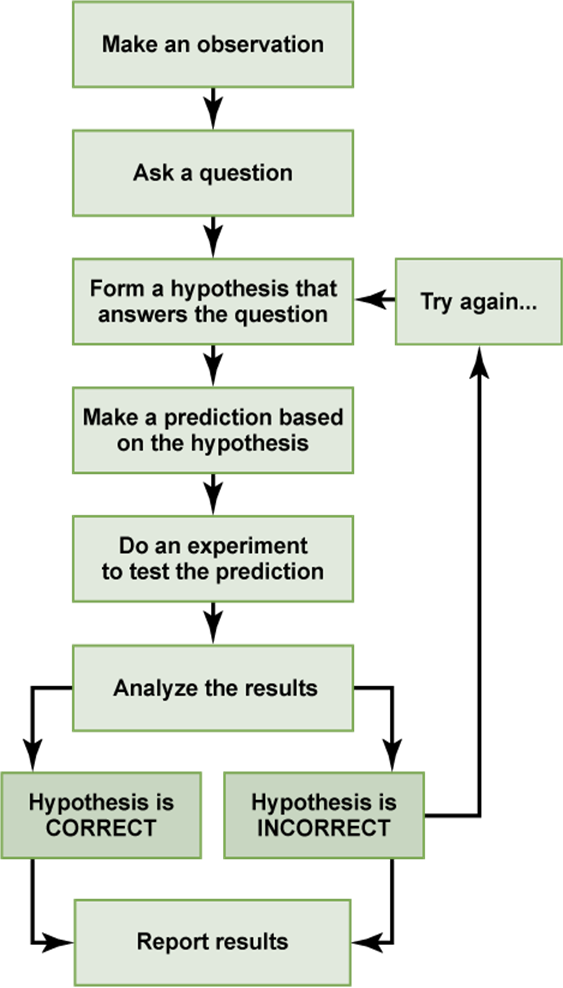
The Scientific Process (Simplified)
- Observation
- Question
- Hypothesis
- Prediction
- Test / experiment
- Analyze results
- Revise or repeat
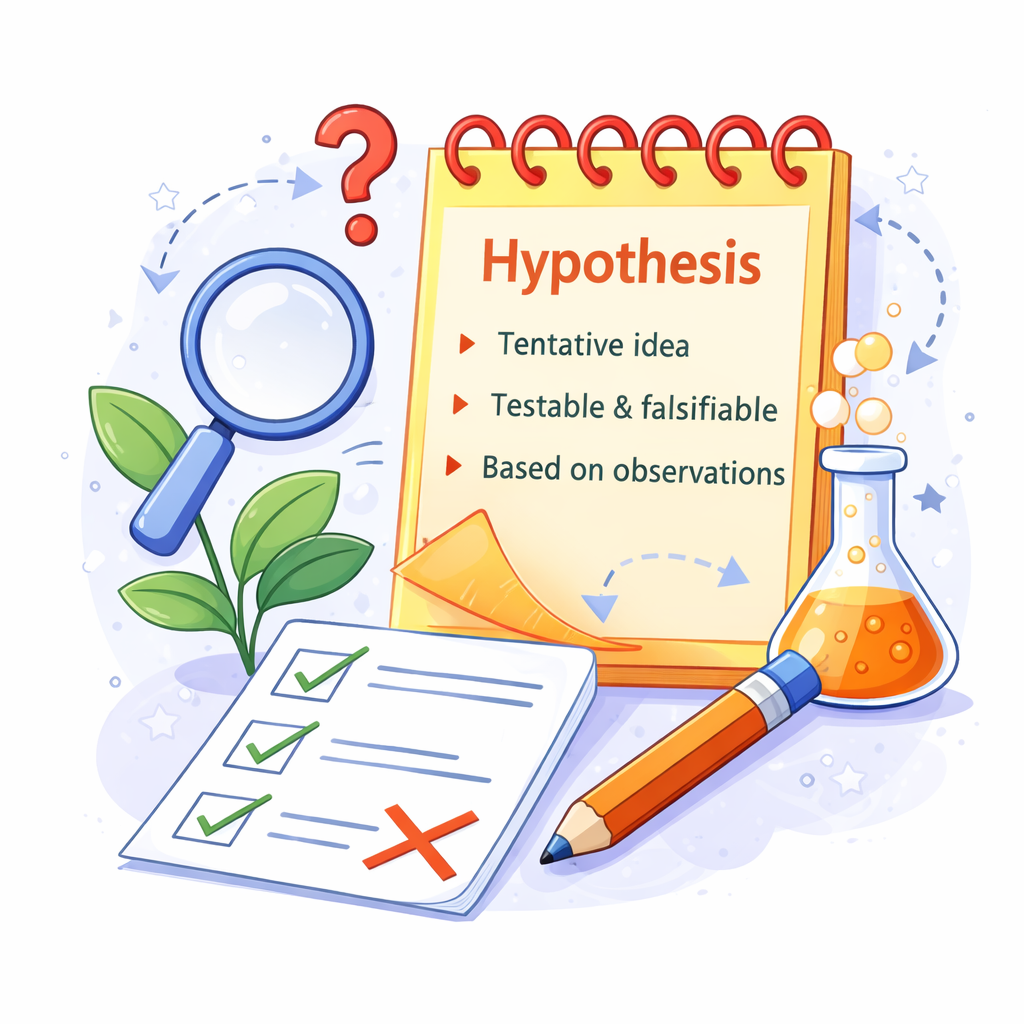
Hypotheses
- Tentative explanations
- Testable and falsifiable
- Based on observations
- Supported or rejected by data
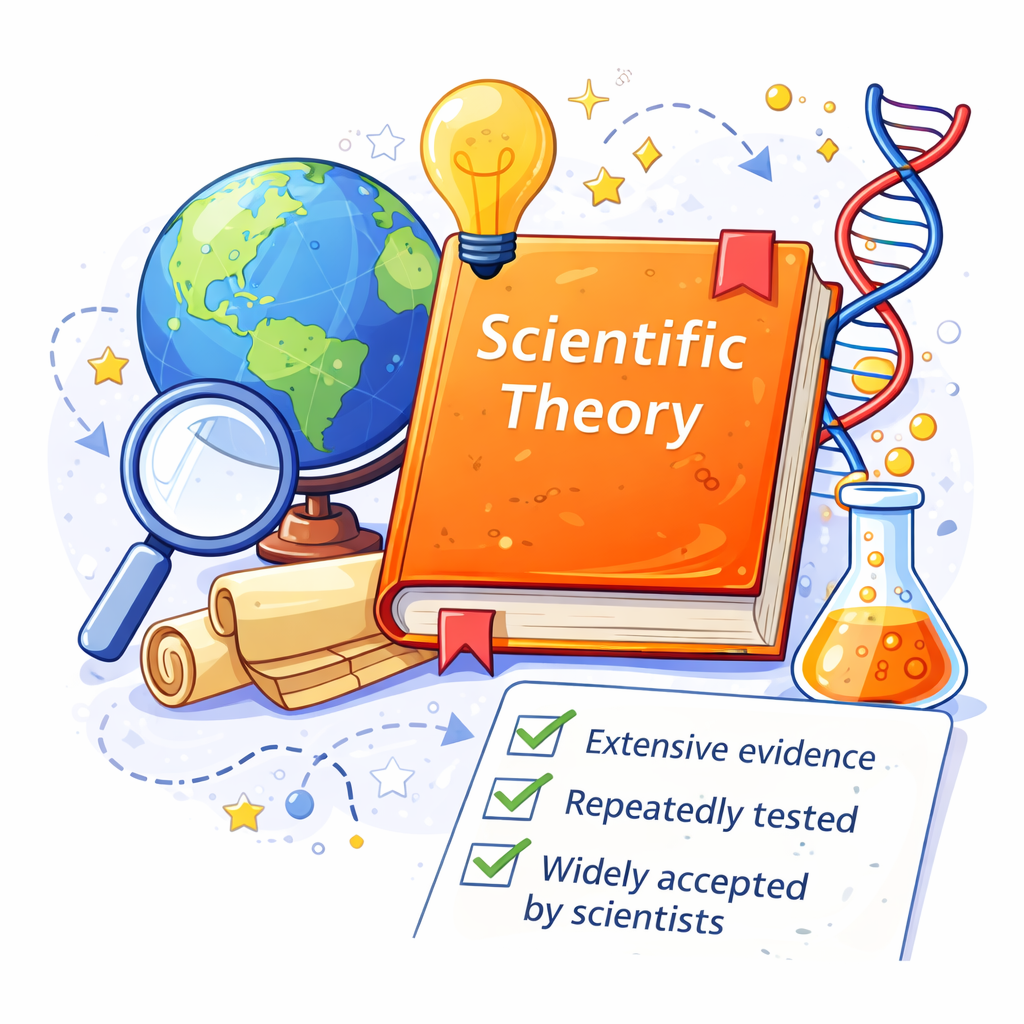
Scientific Theories
- Broad explanations of natural phenomena
- Supported by extensive evidence
- Repeatedly tested
- Widely accepted by scientists
Scientific Laws
- A description of a consistent pattern in nature
- Often expressed mathematically
- Describes what happens, not why it happens
- Highly reliable and repeatable
- Revised only with new evidence
- Laws are not “proven theories”
- Theories do not graduate into laws
- They answer different questions:
- Laws: What happens?
- Theories: Why and how does it happen?
Classic examples:
- Newton’s laws of motion
- Laws of thermodynamics
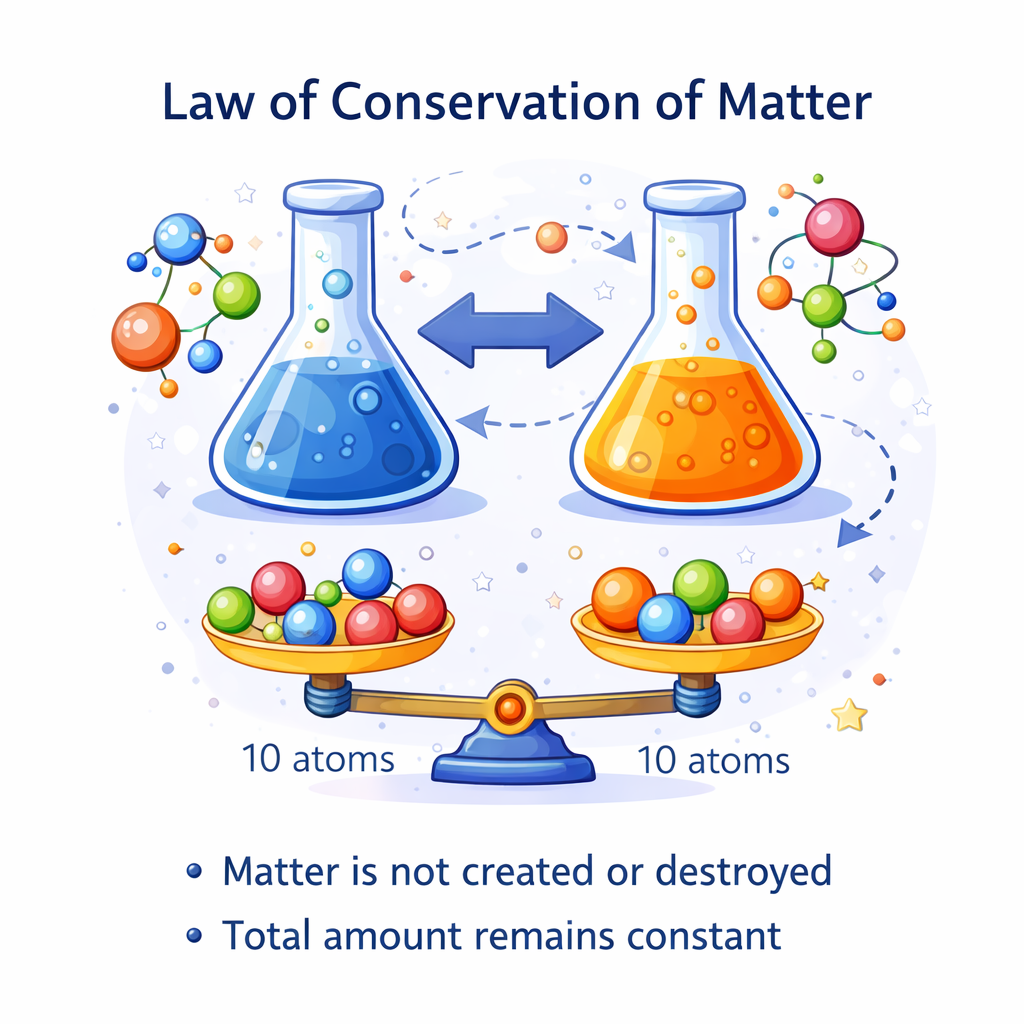
- Law of conservation of matter
- Matter is neither created nor destroyed in physical or chemical changes
- Atoms are rearranged, but the total amount of matter remains constant
Evaluating Scientific Knowledge
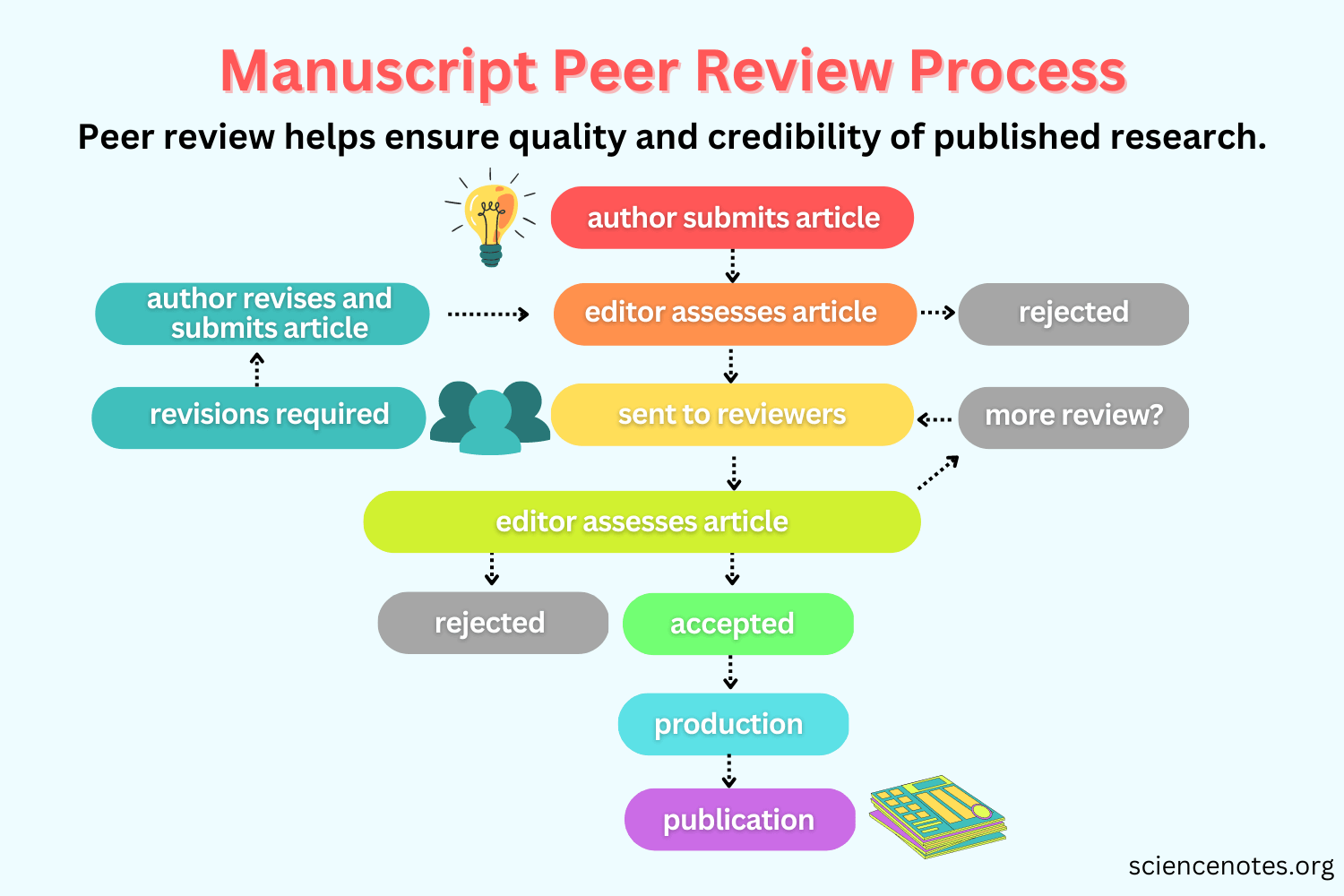
Peer review
Independent evaluation by other scientists in the fieldReplication of results
Findings can be reproduced using the same methodsTransparent methods
Clear description of data, methods, and analysesStrength of evidence
Multiple lines of evidence support the same conclusion
What Is Matter and What Happens When It Undergoes Change?
- Matter is anything that has mass and occupies space
- Composed of atoms, ions, and molecules
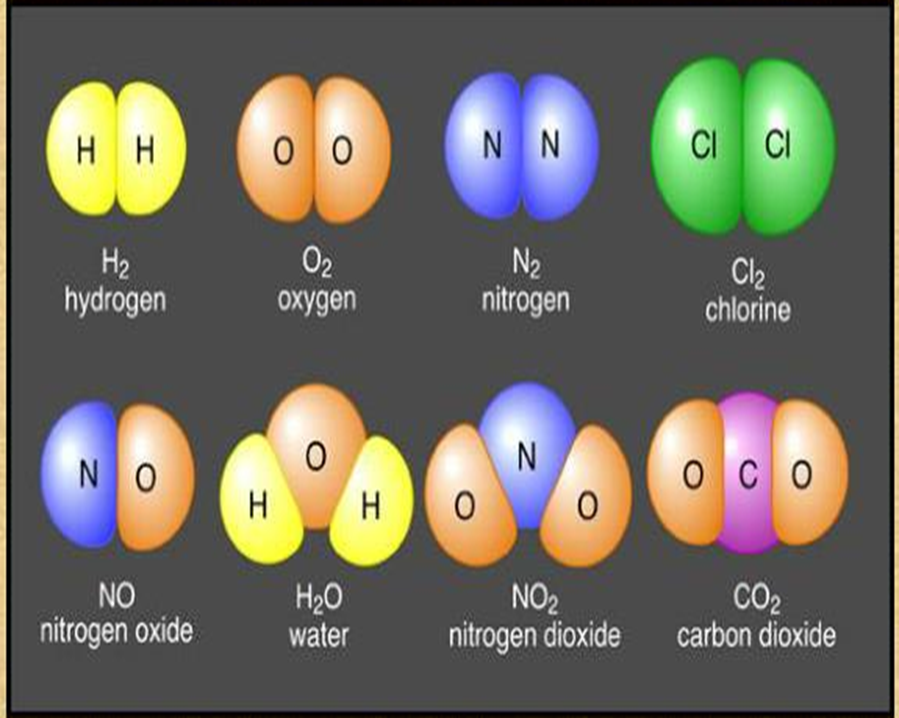
- Forms elements and compounds
- Exists in three physical states: solid, liquid, or gas
- Matter is rearranged during physical and chemical changes
- Cannot be created or destroyed (law of conservation of matter)
Matter Consists of Elements and Compounds
- Elements
Substances made of one type of atom - Compounds
Combinations of two or more different elements - Elements cannot be chemically broken down
- Represented by chemical symbols (e.g., H, O, C)
An Atom Is the Basic Building Block of Matter
- Smallest unit of an element that retains its chemical properties
- Composed of protons, neutrons, and electrons
- Protons and neutrons form the nucleus
- Electrons occupy regions surrounding the nucleus
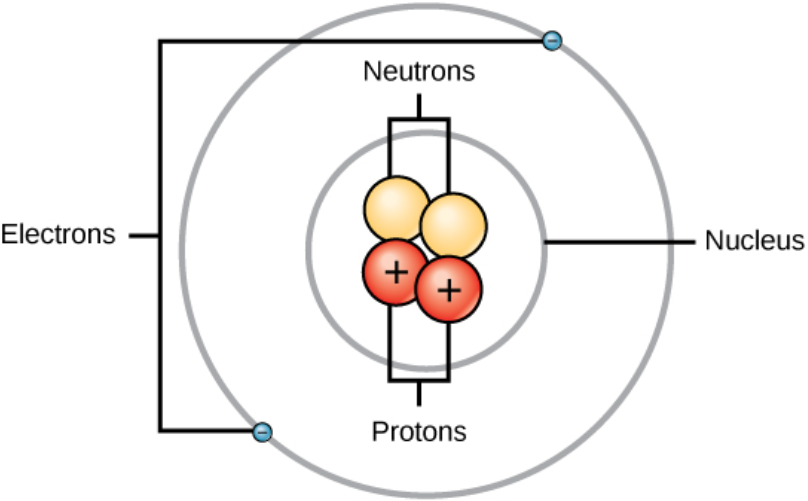
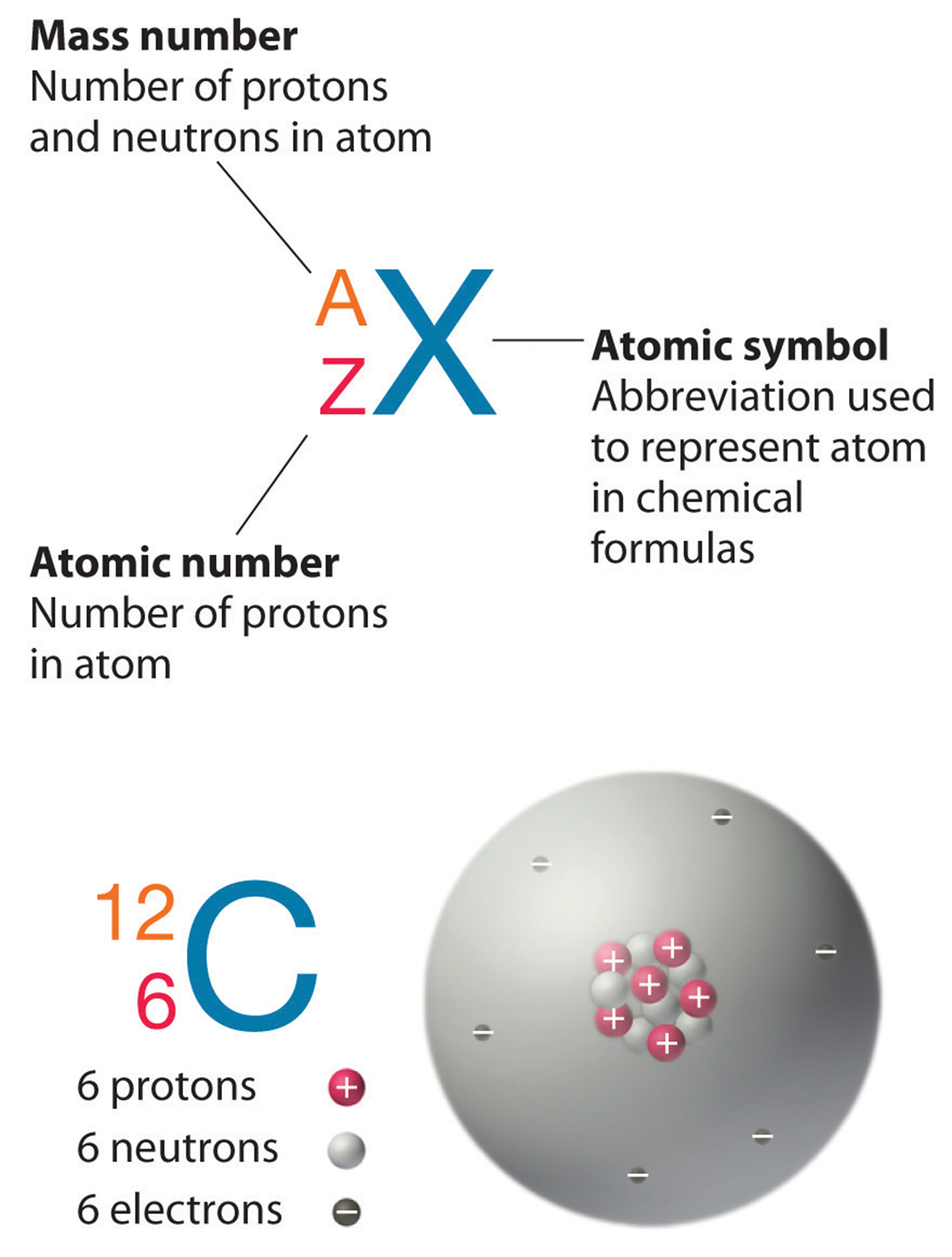
Atomic Number, Atomic Mass, and Element
Atoms differ in numbers of subatomic particles
Atomic number determines the element
- Number of protons in the atomic nucleus
Mass number
- Total number of protons and neutrons in the nucleus of an element’s atoms
Element
- A pure substance that consists only of atoms with the same number of protons
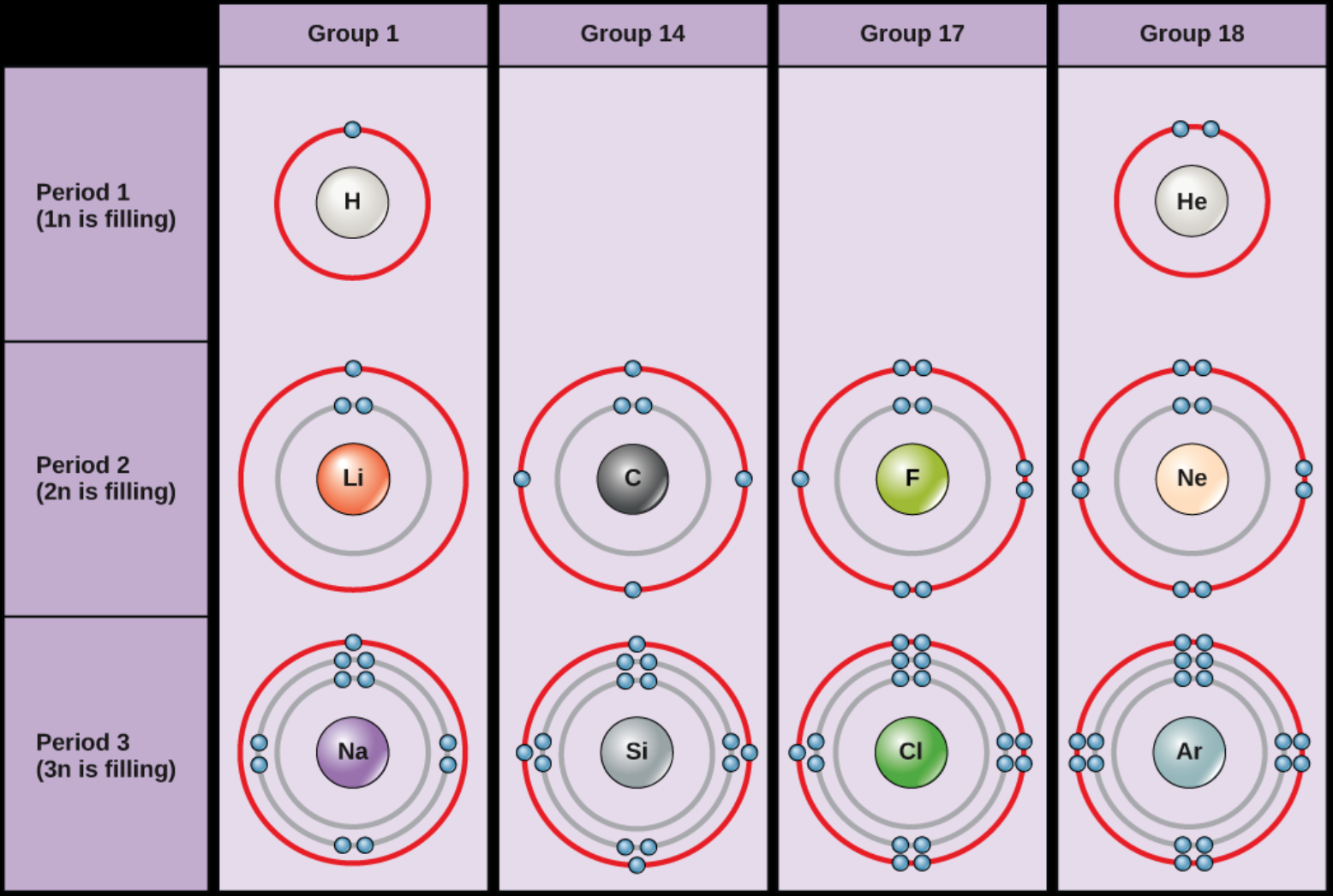
Why Electrons Matter (shell model)
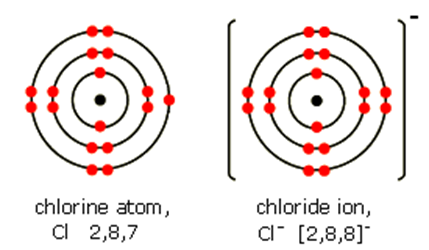
- Electrons occupy energy levels (shells) around the nucleus
- Outer-shell electrons determine how atoms interact
- Atoms with incomplete outer shells are chemically reactive
- Atoms gain, lose, or share electrons to become more stable
- Chemical reactivity controls nutrient availability, toxicity, and pollutant behavior in the environment
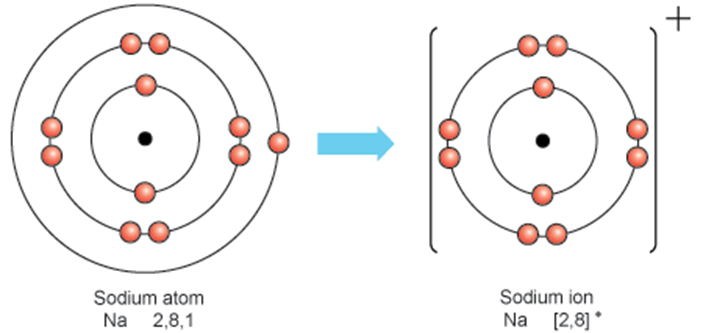
Ions
Atoms with a net electric charge
Formed when atoms gain or lose electrons
Loss of electrons → positively charged ion (cation)
Gain of electrons → negatively charged ion (anion)
Ionic form affects solubility, mobility, and biological availability in the environment
Ionic Bonds
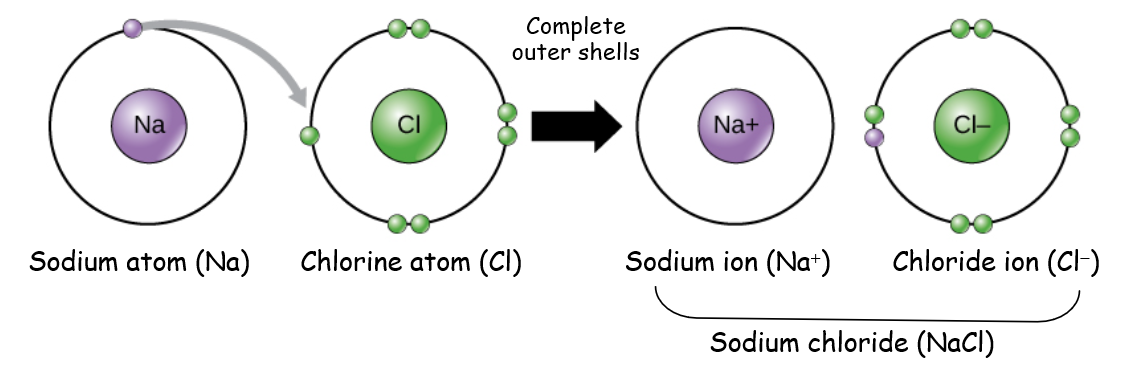
When an atom loses or gains electrons, it becomes electrically charged
Charged atoms are called ions
Ionic bonds are formed between oppositely charged ions (transfer of electrons)
Covalent Bonds
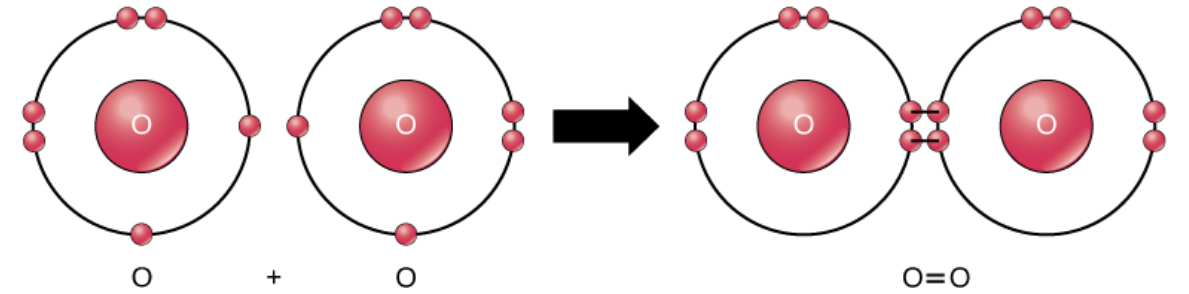
Sharing of electrons between atoms to form covalent bonds.
Stronger and much more common than ionic bonds in the molecules of living organisms.
Commonly found in carbon-based organic molecules, such as our DNA and proteins.
Also in inorganic molecules like H2O, CO2, and O2.
One, two, or three pairs of electrons may be shared, making single, double, and triple bonds, respectively. More bonds = stronger; triple bonds are the strongest
So, why care about ions and compounds?
- So, understanding the chemistry of ions and compounds allows us to measure them.
Remember the trees in the valley?
Scientists learned how to measure nitrate and nitrite ions in water to determine the concentration of these ions
- Reduce nitrate with zinc and react with naphthylethylenediamine under acid conditions to produce a red compound - 550mn.
Determined that lack of trees washed out nitrates from the soil, increasing in concentration in the water runoff.
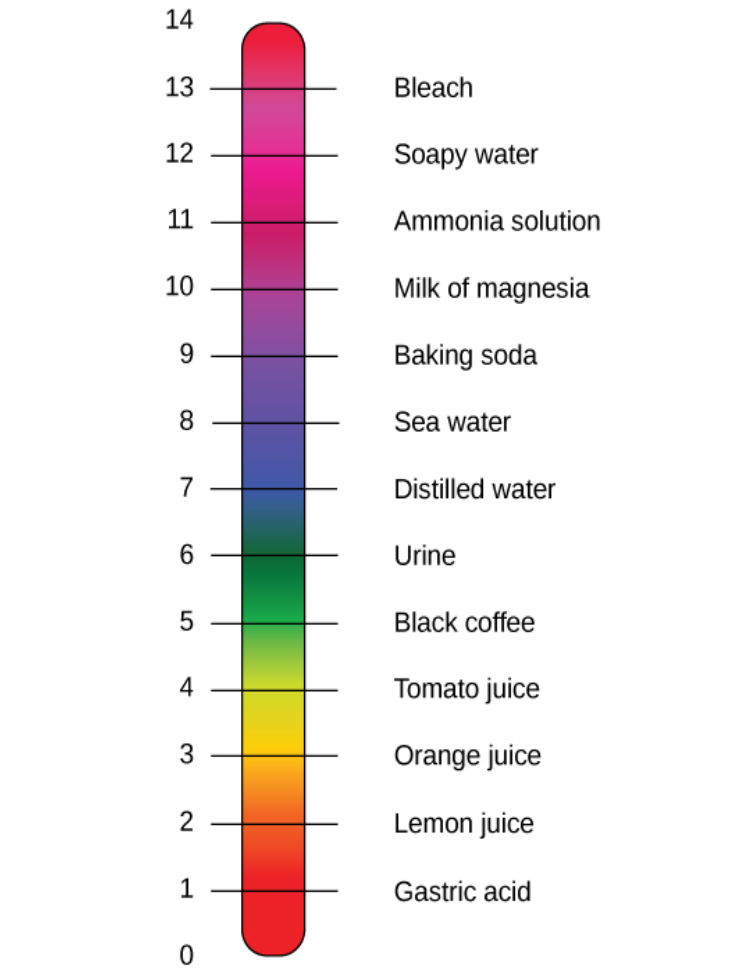
A pH Scale
To describe the acidity of a solution, we use the pH scale.
Bases have a high pH, so they have a low concentration of H+
Acids have a low pH, so they have a high concentration of H+
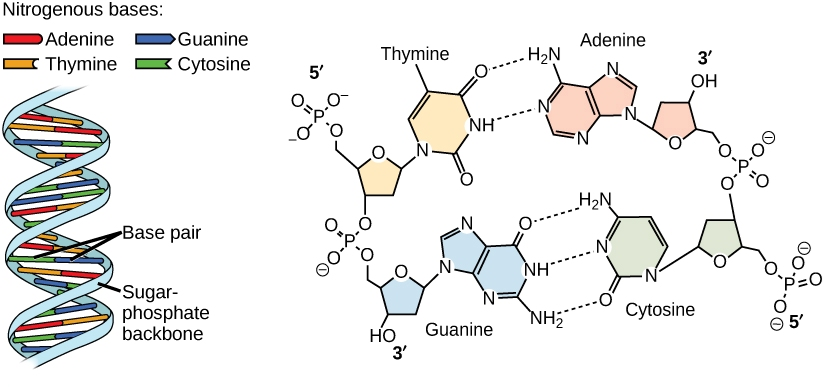
The structure of DNA: The best known biomolecule
- DNA is composed of two helical strands of nucleotides
- Each nucleotide has three components:
- Phosphate group
- Five-carbon sugar (deoxyribose)
- Nitrogenous base (A, T, C, or G)
- Base sequence stores genetic information
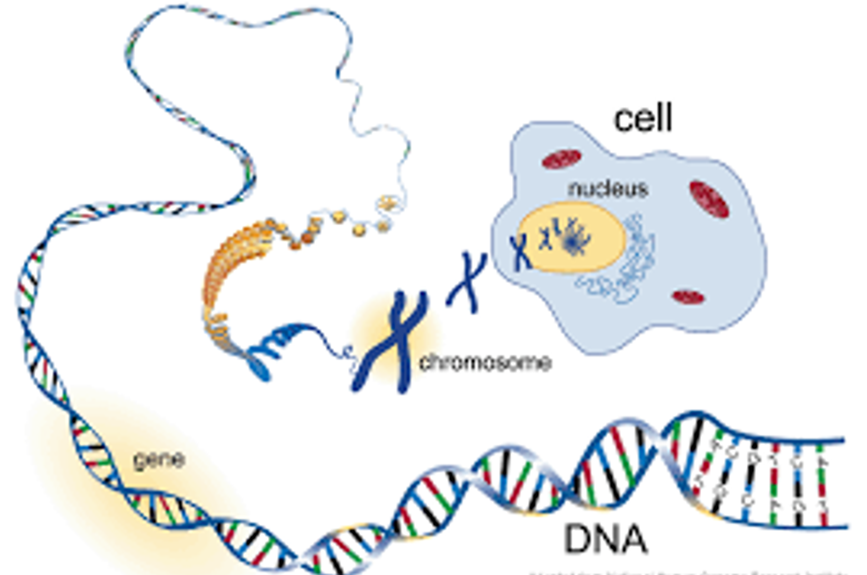
Matter Comes to Life Through Cells, Genes, and Chromosomes
Cells
Smallest units of life in all organismsGenes
DNA sequences that encode functional traitsChromosomes
Long DNA molecules containing many genes
Matter undergoes physical, chemical, and nuclear changes
Physical changes
Change form or state (e.g., ice to water) without changing chemical identityChemical changes
Rearrangement of atoms to form new substancesChemical equations
Represent reactants, products, and conservation of atoms
A chemical equation: Coal –> CO2
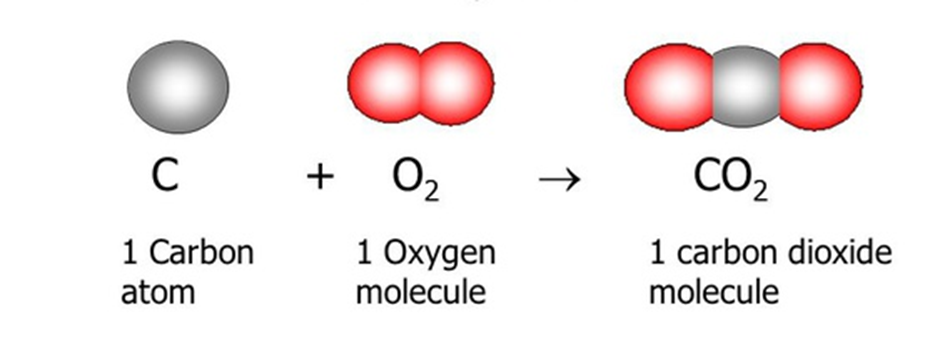

Cannot create or destroy atoms
Law of conservation of matter
Matter is neither created nor destroyed in physical or chemical changesAtoms are rearranged, not created or lost
Balanced chemical equations
Ensure the same number of each type of atom on both sides of a reaction
A chemical equation: Coal –> CO2
Energy
Energy
Ability to do work or transfer heatWork
Occurs when energy moves or changes formWork = force × distance
Examples:
- Moving an object
- Heat transfer from a hot surface
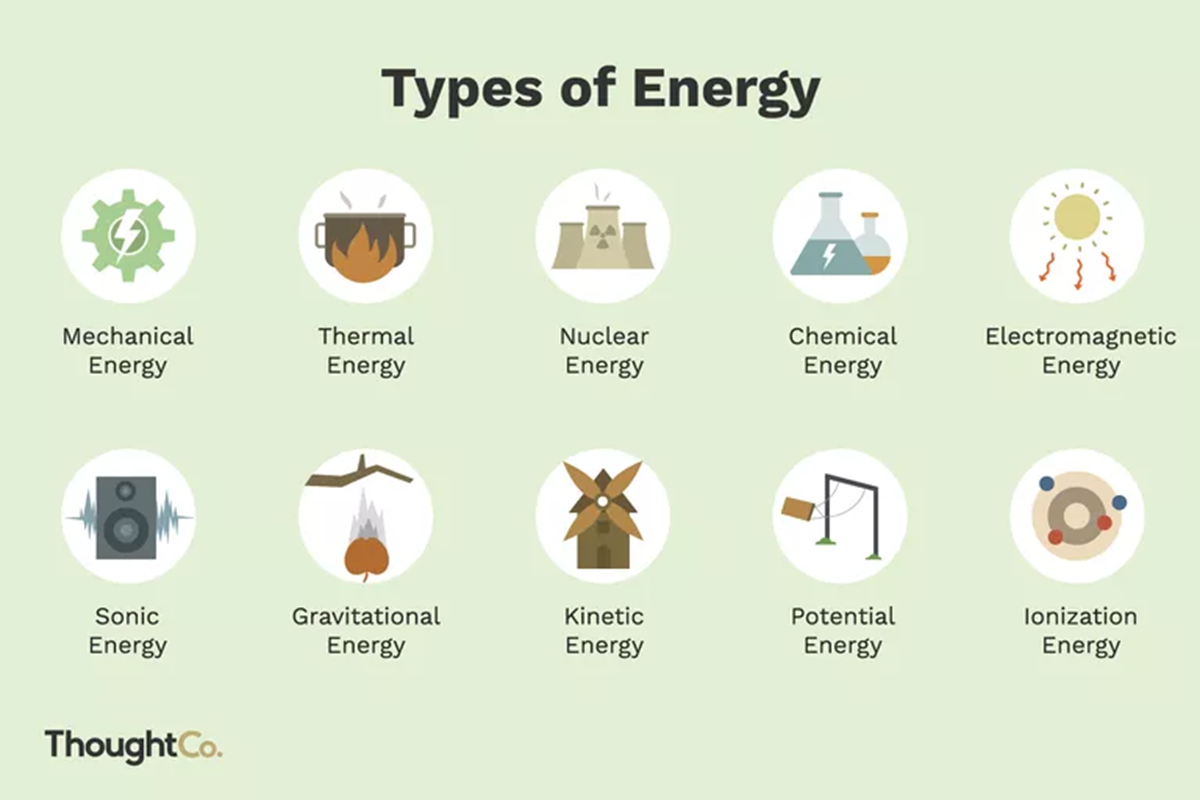
Energy Comes in Many Forms: Kinetic Energy
Kinetic energy
Energy associated with motionIncludes:
- Thermal energy — motion of particles that produces heat
- Electromagnetic energy — energy carried by waves
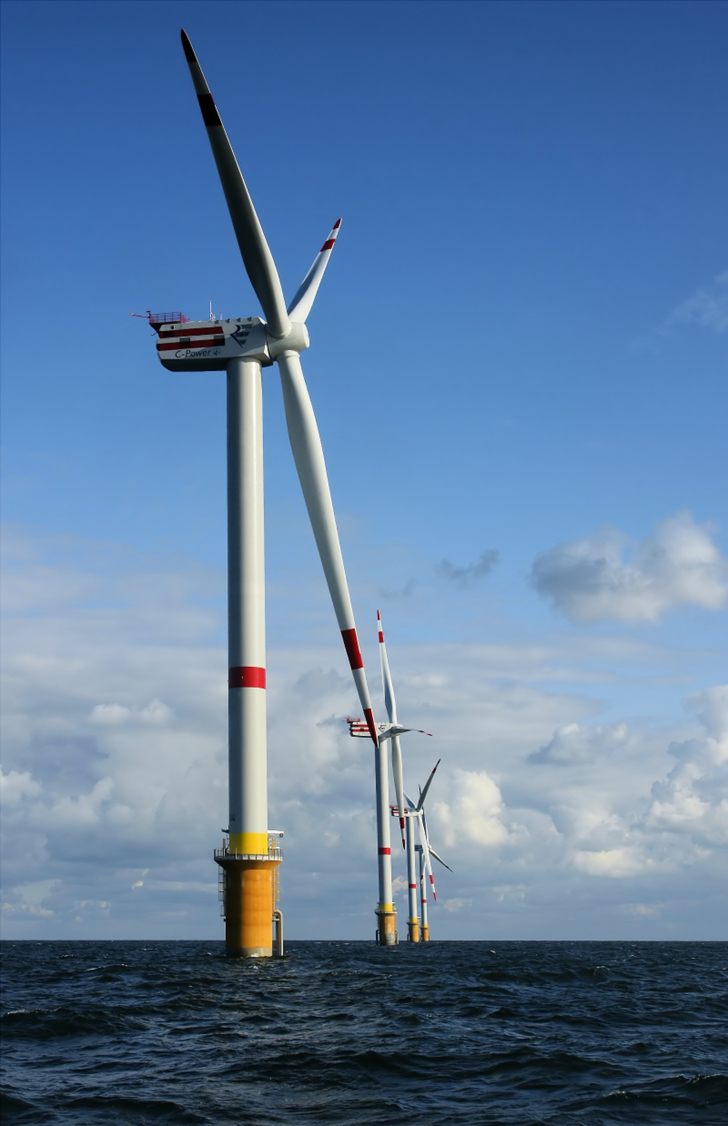
Example:
- Wind kinetic energy turns turbines
- Converted to electrical energy
Energy comes in many forms: potential energy
Potential energy
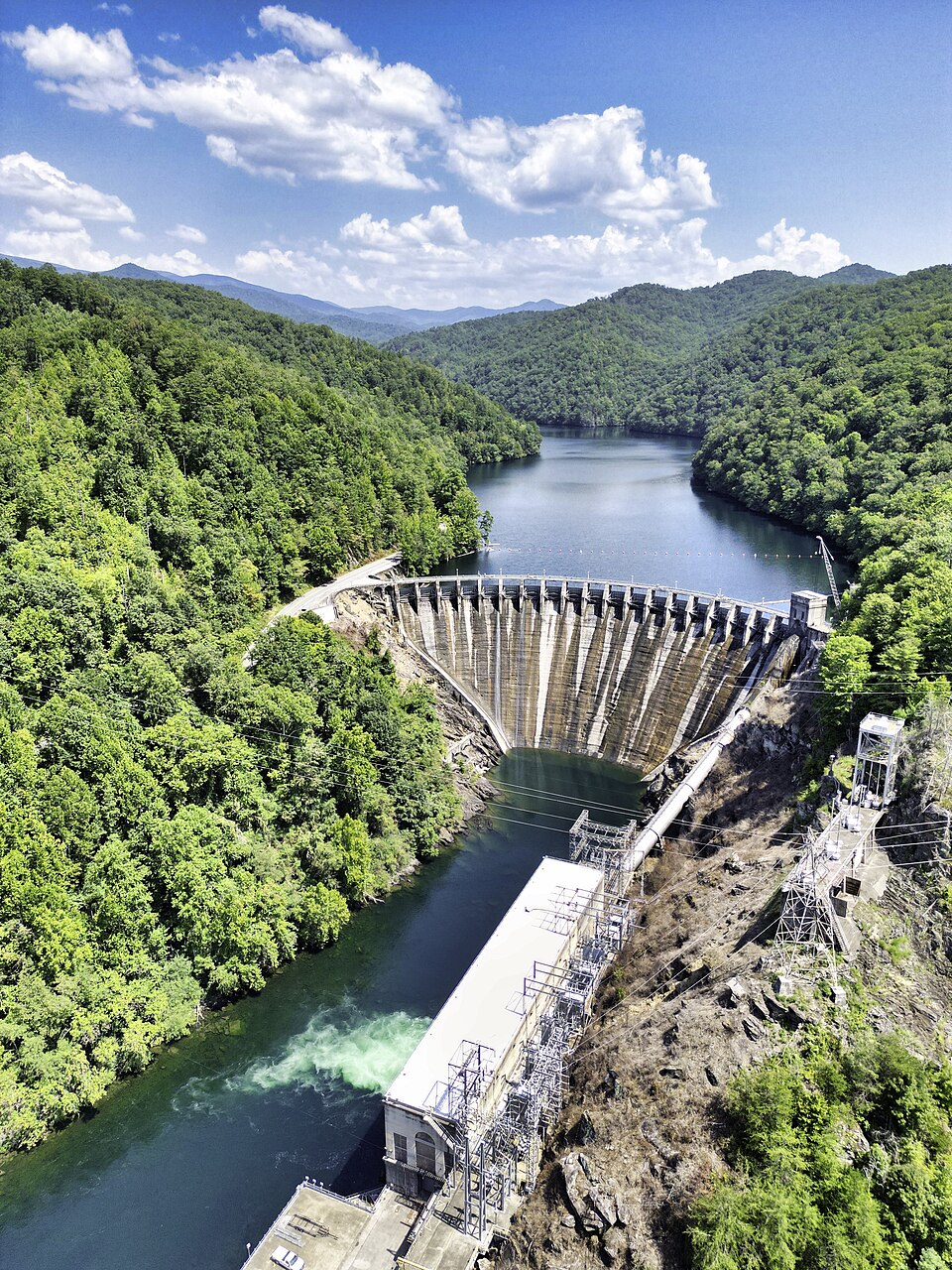
Stored energy that has the capacity to do workExample:
- Water stored behind a dam
Potential energy can be converted to kinetic energy
- Flowing water spins turbines
- Turbines generate electrical energy
Solar Energy and Earth Systems
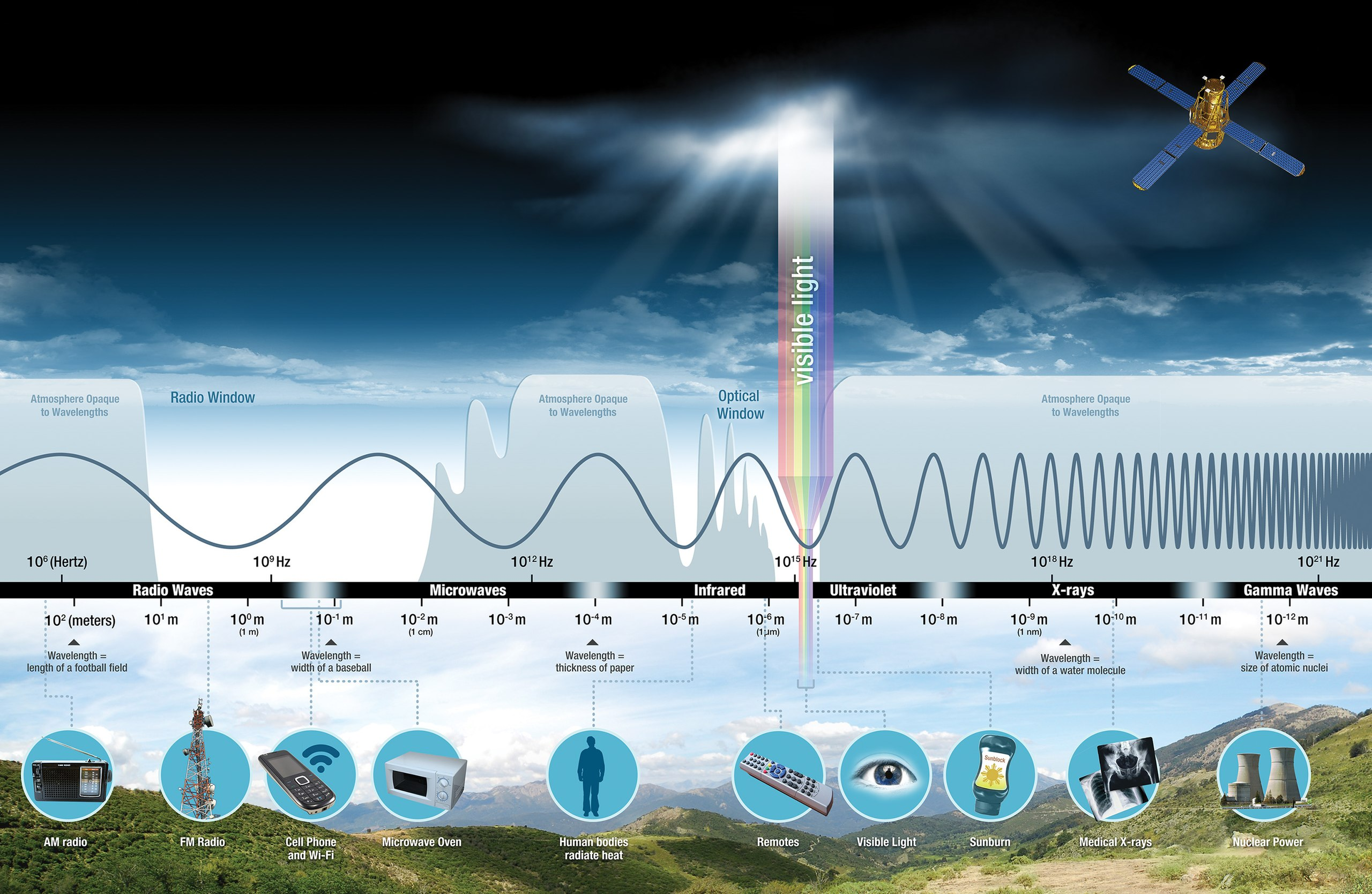
- Solar energy arrives as electromagnetic radiation
- Spans a range of wavelengths (the electromagnetic spectrum)
- Primary energy source for:
- Climate and weather
- Photosynthesis
- Ecosystems and food webs
- Drives most natural processes on Earth
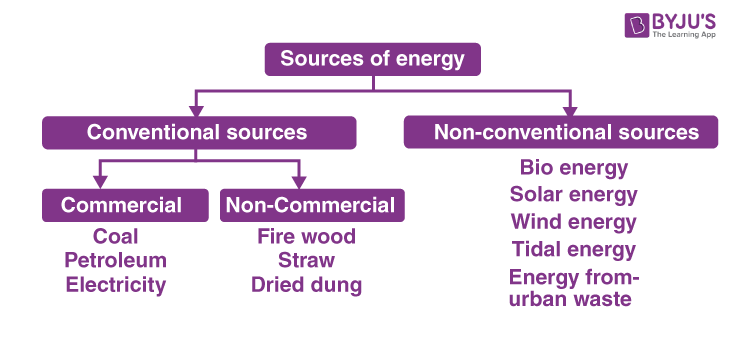
Human Energy Use: Commercial Energy
Commercial energy
Energy extracted, processed, and sold by humansIncludes:
- Fossil fuels (coal, oil, natural gas)
- Electricity
- Nuclear and renewable sources
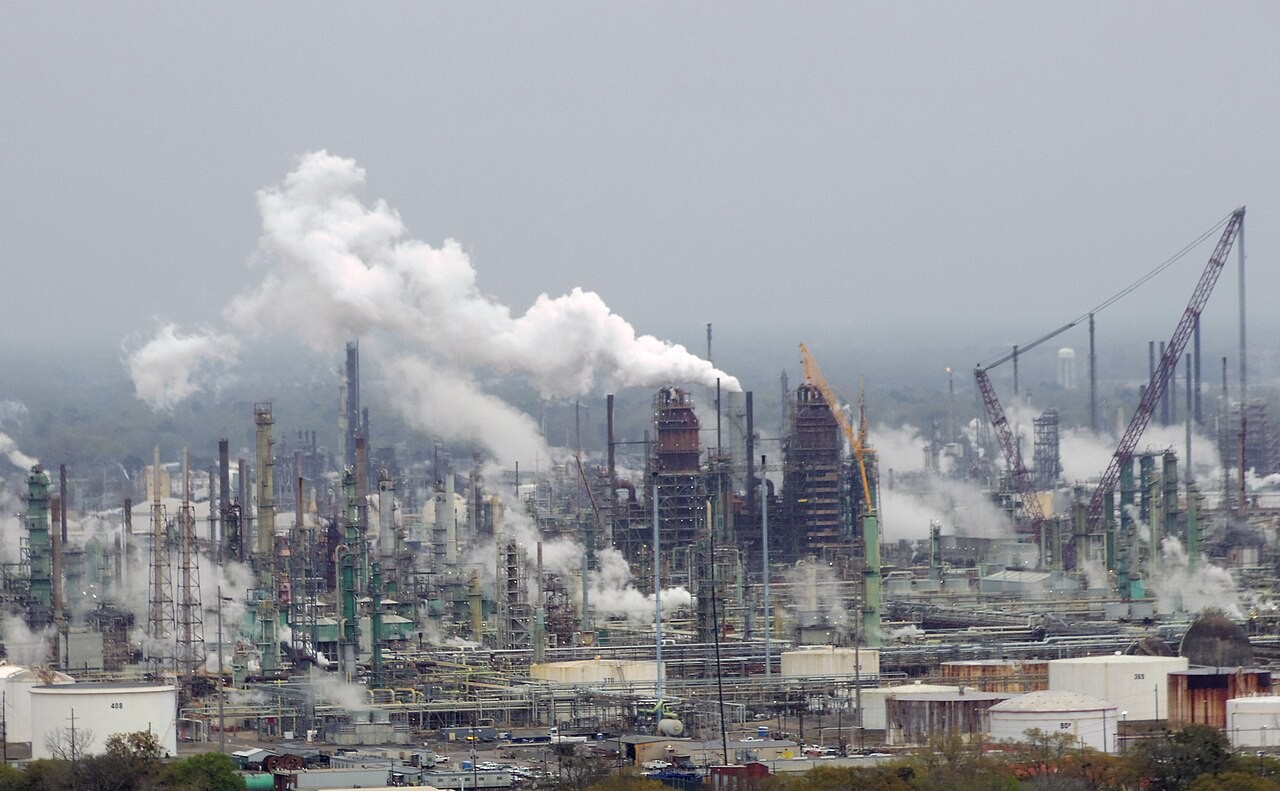
Most commercial energy currently comes from fossil fuels
- Nonrenewable
- Major environmental and climate impacts
What Are Systems and How Do They Respond to Change?
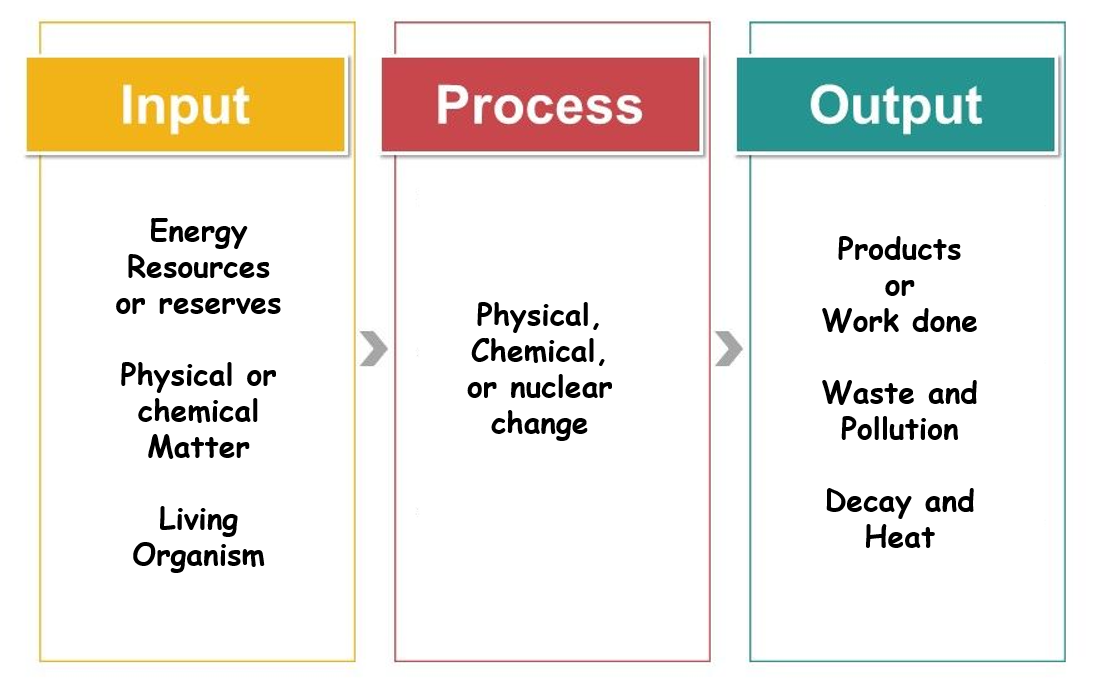
A system is a set of interacting components that function together
Examples: cell, organism, forest, economy, car, Earth
Most systems include:
- Inputs of matter, energy, and information
- Flows (throughputs) within the system
- Outputs of products, wastes, and degraded energy (often heat)
Living and Nonliving Systems
- Nonliving systems
- Do not grow or adapt to environmental change
- Function remains largely fixed
- Do not grow or adapt to environmental change
- Living systems
- Respond to environmental change
- Adjust size, structure, and behavior
- Respond to environmental change
- Systems become unsustainable when:
- Inputs are used faster than they are replenished
- Outputs exceed the environment’s capacity to absorb or dilute them
- Inputs are used faster than they are replenished
Ecological System Feedback Loops
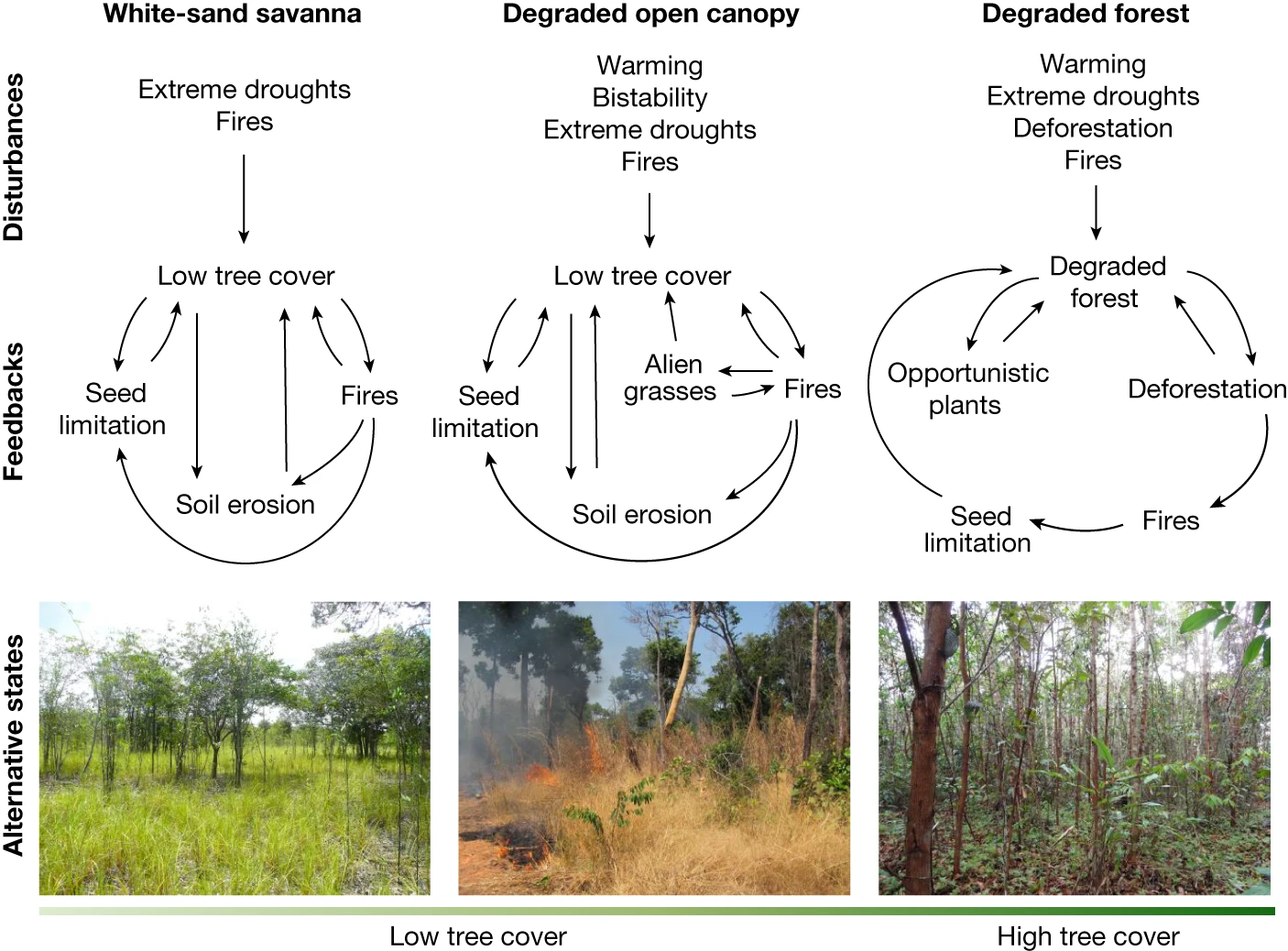
Feedback loop
Occurs when a system output feeds back as an input, influencing future system behaviorPositive feedback
Amplifies change, pushing the system further in the same directionNegative feedback
Dampens change, promoting stabilityExample of positive feedback:
- Vegetation loss increases erosion and nutrient loss
- Poor soil conditions cause further vegetation decline
- System becomes increasingly degraded over time
Ecological Tipping Points
Tipping point
A threshold beyond which a system shifts rapidly to a new stateOften triggered by sustained pressure or positive feedbacks
After a tipping point:
- Change can be difficult or impossible to reverse
- System structure and function may fundamentally change
Examples:
- Forest to grassland transitions
- Coral reef collapse
Negative (Corrective) Feedback Loops
Negative feedback loop
Counteracts change and promotes system stabilityExample: thermostat
- Measures temperature
- Turns heating or cooling on or off to maintain a set point
- Measures temperature
Environmental example: aluminum recycling
- Used cans become inputs rather than waste
- Reduces mining and manufacturing demand
- Lowers energy use, pollution, and material extraction
- Used cans become inputs rather than waste